

Fostering connections: Social development in early childhood
Discover how to nurture social development in infants and toddlers, building essential skills for relationships, communication, and a sense of belonging. This guide supports early childhood teachers in creating inclusive and interactive learning environments.

Building blocks of social growth
Social development in infants and toddlers encompasses their ability to build relationships, communicate effectively, cooperate with others, and cultivate a sense of belonging. To foster these vital skills, early childhood teachers must provide safe and inclusive environments that facilitate positive interactions through both play and structured group activities (Garvis et al., 2019). Action songs, for example, are powerful tools that enhance children's communication, instruction-following, teamwork, and confidence. The EYLF V2.0 underscores the importance of belonging, positive relationships, and collaborative learning as crucial elements of a child's social development (Australian Government Department of Education, 2022).

Essential teaching skills for social development
Developing specific competencies and skills is crucial for teachers to effectively support the social development of young children:
- Building relationships: Establishing trusting and safe relationships with each child.
- Intentional teaching: Modelling sharing, turn-taking, and respectful communication.
- Observation: Observing children's interactions to plan suitable and enriching experiences.
- Inclusive practice: Ensuring all children are encouraged to participate and feel valued.
- Family partnerships: Promoting home involvement through familiar songs and activities.
In terms of authentic curriculum provision, integrating Movement & Music through action songs, and Language & Literacy via storytelling and group discussions, offers rich learning opportunities for social growth.
If you're happy and you know it(song)

Learning experiences: If you're happy and you know it(song)
Learning Intention: To promote emotional expression, active involvement, and positive social interaction.
Learning Experience: Children sing in unison and perform actions such as clapping and stomping. The teacher facilitates participation, provides support and positive reinforcement, and models appropriate interactions to foster confidence and collaboration.
EYLF Links:
- Outcome 2: Children are connected with and contribute to their world
- Outcome 3: Children have a strong sense of wellbeing
- Outcome 5: Children are effective communicators
Age-specific opportunities:
- 0–12 Months: Sit and sing with the baby, gently encouraging clapping or waving. Make eye contact, smile, and respond to the baby's sounds and facial expressions.
- 12–24 Months: Invite toddlers to imitate simple actions like clapping, stomping, and waving. Encourage children to take turns singing and participating.
- 2–3 Years: Ask children to select other actions for the group to try, promoting leadership and creativity.
The Wheels On the Bus (Dancing &Singing)
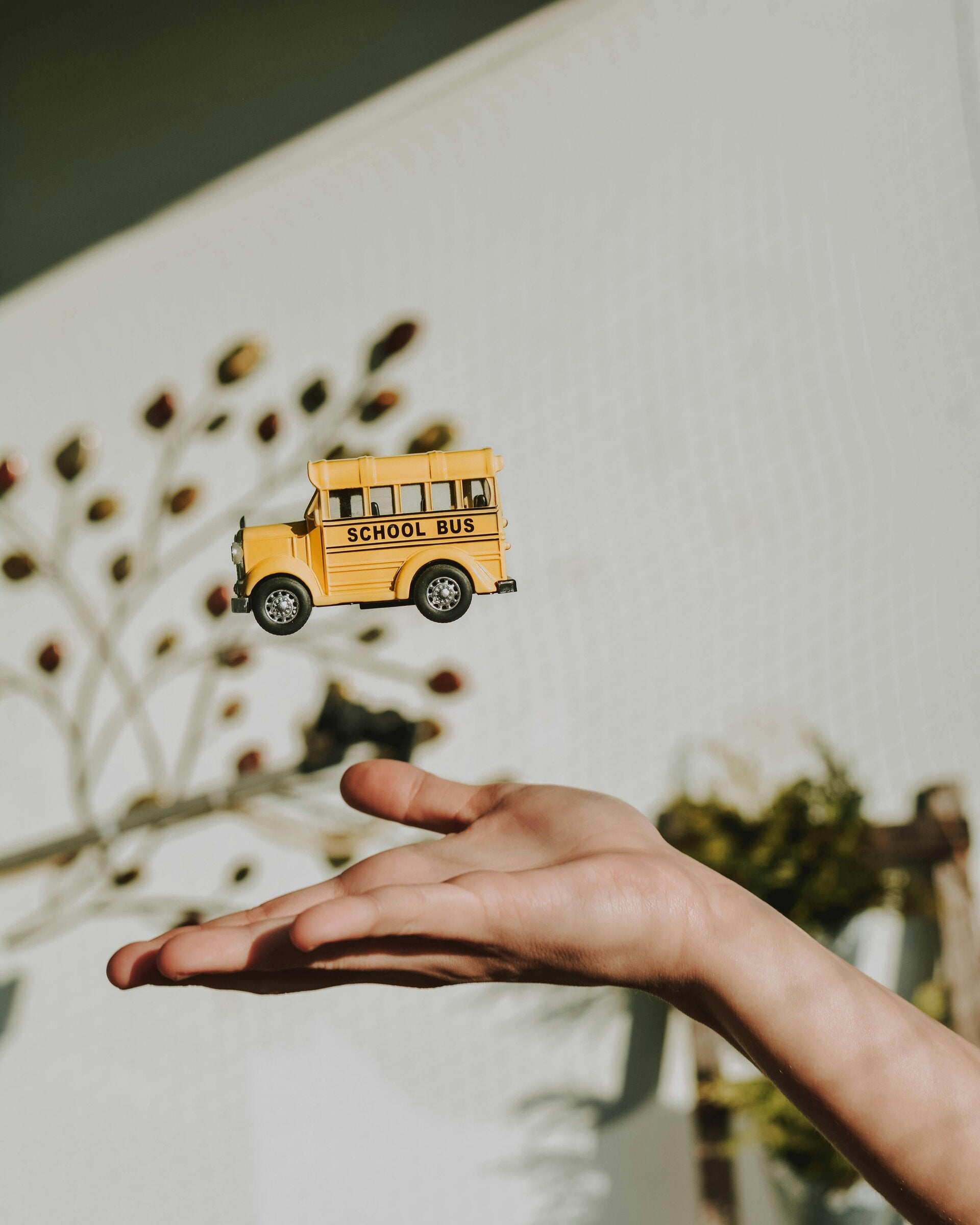
Learning experiences: The wheels on the bus
Learning Intention: To foster cooperation, communication, and group participation.
Learning Experience: Children sing the song and perform actions for the wheels, doors, horn, and wipers. The teacher encourages children to participate, take turns, and communicate with peers during the activity.
EYLF Links:
- Outcome 1: CHILDREN HAVE A STRONG SENSE OF IDENTITY
- Outcome 2: Children are connected with and contribute to their world
- Outcome 5: Children are effective communicators.
Age-specific opportunities:
- 0–12 Months: Sing while holding the baby and gently move their hands to mimic actions like rolling wheels. Maintain eye contact, encourage smiling, and listen to the song's rhythm.
- 12–24 Months: Help toddlers imitate driving functions like turning the steering wheel, opening doors, and sounding the horn. Support children in joining in with repeated words and simple actions.
- 2–3 Years: Encourage children to play different roles, like that of a driver, passengers or the babies.
Promote taking turns, singing and pretending to ride the bus with friends.