

Developing the senses: A world of discovery
Welcome to the Five Senses & Perceptual Development . This is where we explore how infants and toddlers use their senses to understand the world, and how early childhood teachers can support this vital journey in Melbourne, Australia.
Understanding perceptual development in early childhood
Perceptual development is the process through which infants and toddlers use their five senses—sight, hearing, touch, taste, and smell to investigate, understand, and respond to their environment. During the first three years of life, sensory experiences help children develop brain connections that are required for cognitive, physical, language, social, and emotional development. Curiosity, problem-solving, communication, confidence, and stable relationships are all fostered by rich sensory experiences(Harding, 2023).

Teaching Competencies and Skills
Early childhood educators are vital in supporting perceptual development in a safe, exciting and inclusive way. Teachers need to understand children’s interests, provide age-appropriate sensory experiences, encourage inquiry through play and use descriptive language to expand vocabulary, and tailor activities to the individual. Healthy interactions with children and families also contribute to the expansion of sensory learning beyond the home and into educational settings(Department of Education,2022).
Water and sand play, sensory bins with natural materials, finger painting, music and movement, cooking, gardening, nature walks, and exploring different colors, sounds, textures, smells, and tastes can all be used to incorporate meaningful sensory learning into the curriculum. Play-based activities encourage creativity, curiosity, communication, and well-being and contribute to overall development

learning Oppourtunities:
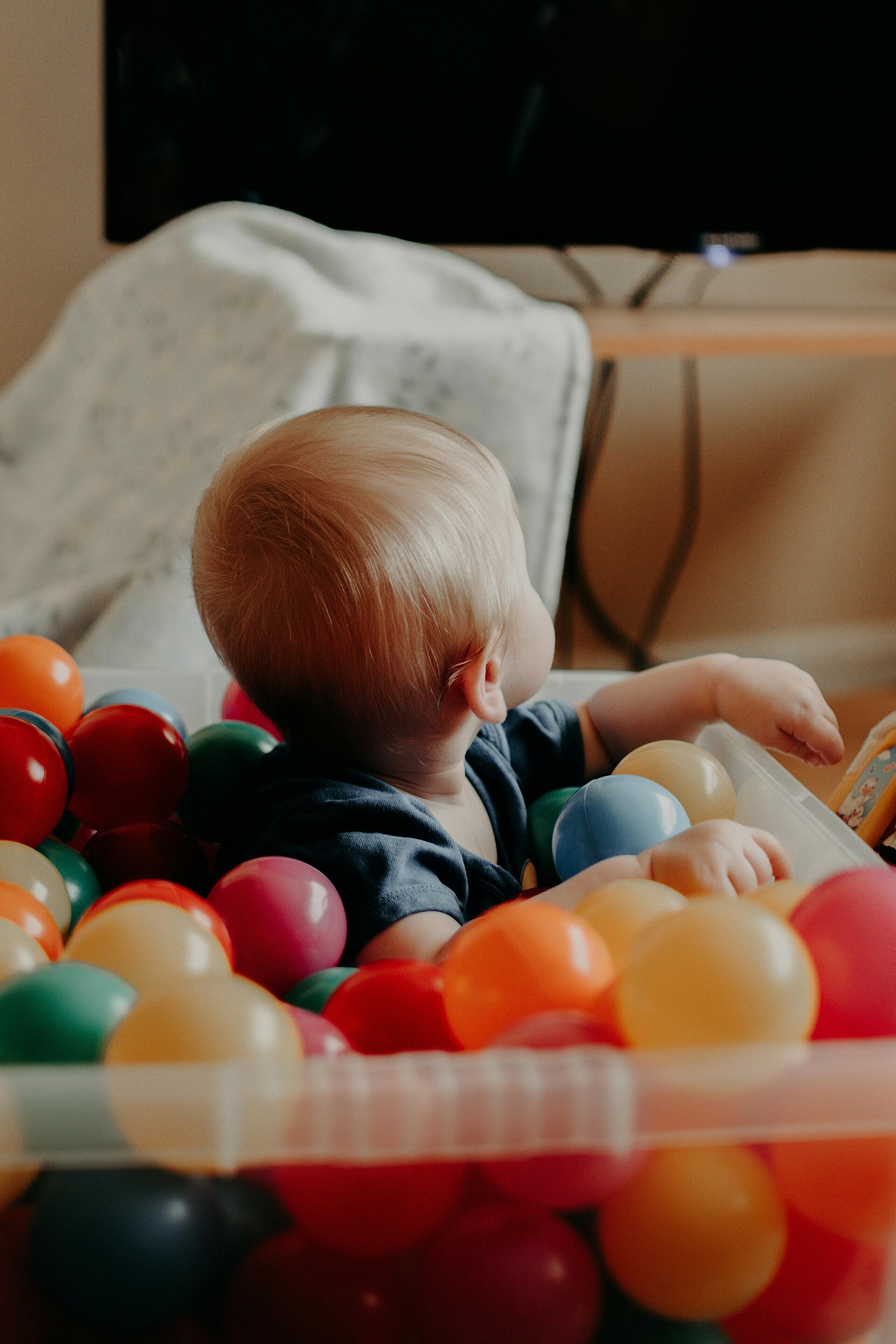
Soft Texture Exploration (0-12 months): Infants use textiles, textured balls, mirrors, and soft toys to increase tactile awareness, visual tracking, and hand-eye coordination.
Sensory Treasure Basket (12-24 months): Toddlers spend time with leaves, shells, pinecones, wooden blocks, and fabric pieces to prepare them for sensory exploration, language, and fine motor skills.
Five Senses Nature Hunt (2-3 years): Children explore the natural environment with all five senses, talk about their discoveries, compare them, and develop observation, communication, and problem-solving skill(Kaywork, J,2019).
.
Open Shut Them (Nursery Rhymes)
Five senses Rhyme - Open Shut Them. When they sing and dance in simple hand gestures, children develop sensory awareness by using their eyes, ears and touch. The rhyme enhances listening skills, language development, hand-eye coordination and fine motor skills. It also enhances attention, memory and social connection through group activities.
Simon Says: The Movement Game. children acquire perceptual skills through listening to and following simple directions and moving various parts of their body. It also promotes body awareness, balance, spatial awareness and gross motor skills, self-regulation, and coordination through the game. It builds confidence, turn-taking and participation in a fun and supportive learning environment for children