

Nurturing growth: Development and wellbeing in early childhood
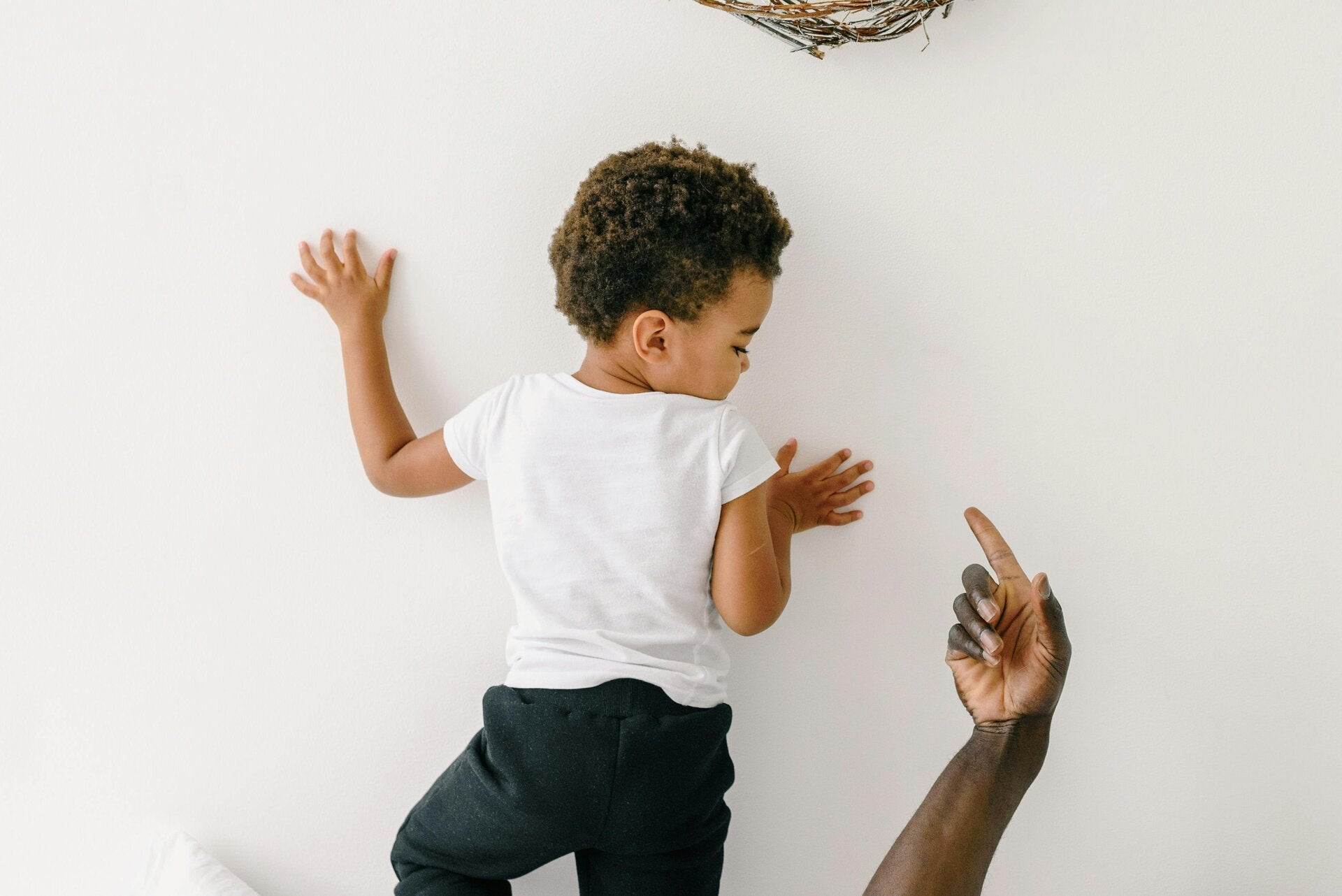
The crucial early years: Intense growth and holistic development
The first three years of a child's life are characterised by intense growth and development, where they achieve tremendous progress in physical, cognitive, social, emotional, and linguistic skills. Early childhood educators are essential in providing the care, support, and protection necessary to foster this holistic development and wellbeing. Creating safe, caring, and engaging environments based on children's strengths, interests, culture, and individual needs is paramount. As outlined by the Early Years Learning Framework (EYLF), children are competent and capable learners, and their learning, development, and wellbeing are inseparable.

Overcoming challenges: Age-appropriate strategies for every stage
Early childhood teachers often face the challenge of implementing strategies that are truly age-appropriate for diverse developmental stages. Our guidance addresses this by outlining specific approaches tailored for different age groups:
- For infants (0-12 months): Strategies include responsive care, sensory exploration, establishing routines, and building strong attachments.
- For young toddlers (12-24 months): Educators can offer motor activities, encourage exploration, facilitate problem-solving, and engage in verbal interactions that promote independence.
- For older toddlers (2-3 years): Strategies involve cooperative activities, fostering creative thinking, encouraging inquiry, and promoting independence through structured education.

Our unique approach: Play-based learning and responsive relationships
Our approach to development and wellbeing stands out by emphasising that curiosity, creativity, communication, and problem-solving should be developed in children. This can be achieved exclusively through play-based and intentional teaching across various areas of activity, including arts, music, physical activities, science, literacy, maths, and outdoor games (Pendergast & Garvis, 2023). It is crucial to observe children's progress and adjust to their needs. Garvis et al. (2019) suggest that relationship, involvement, and experience are essential elements of lifelong learning. Such an educator's approach ensures the successful development of infants and toddlers.