

Nurturing language and literacy from birth
Discover how responsive interactions, communication, and participation are the foundations for developing language and literacy in infants and toddlers, laying the groundwork for their future growth.
The journey of early language development
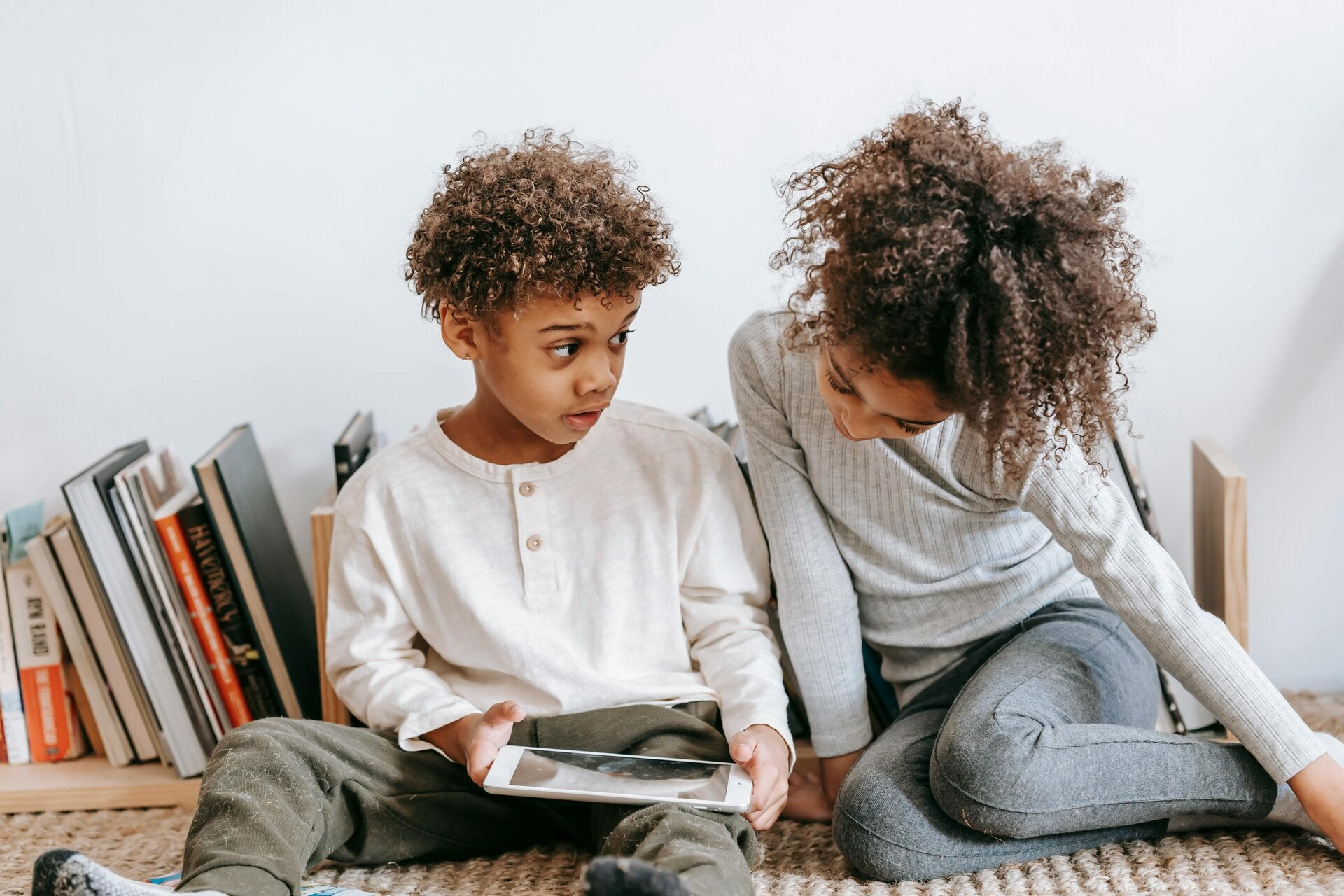
Language development in infants and toddlers is a beautiful journey that begins at birth. It involves listening to diverse voices, observing faces, responding to gestures, experimenting with sounds, and gradually using words to express needs, ideas, and emotions. Positive early language experiences profoundly influence a child's future cognitive, social, emotional, and literacy development (Garvis et al., 2019).
Strategies for educators
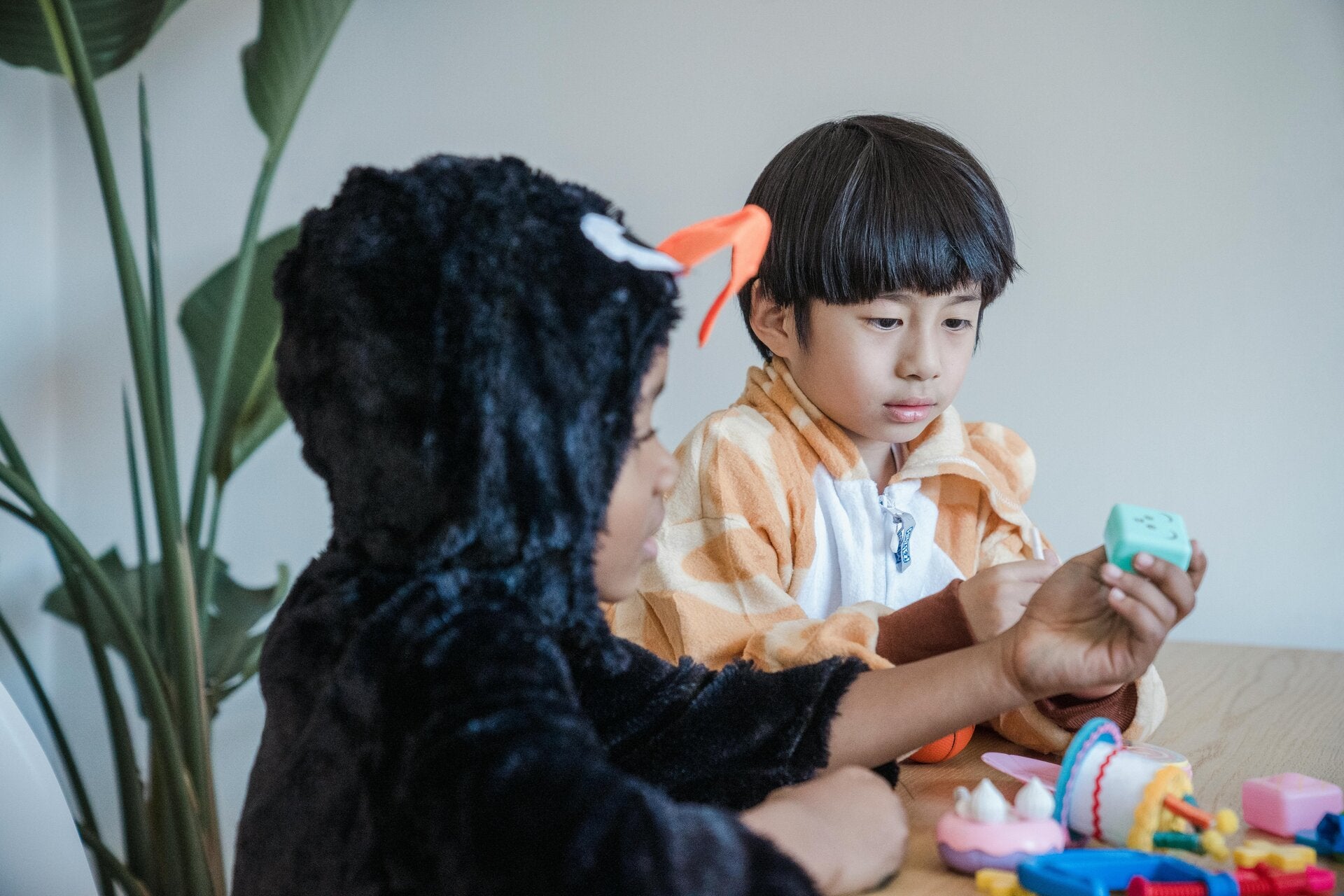
Educators play a crucial role in fostering language development by creating language-rich environments. Engage children in conversations, actively listen to their communication, model correct language use, and intentionally develop vocabulary. Effective strategies include reading stories aloud, telling tales, singing songs, reciting rhymes, engaging in role-play, and discussing activities (Pendergast & Garvis, 2023).

Age-appropriate approaches to language learning
Promoting language development should always be age appropriate.
- For infants (0-12 months), focus on eye contact, facial expressions, gestures, singing, sharing board books, and responding to babbling.
- For young toddlers (12–24 months), vocabulary grows through naming objects, word repetition, action songs, picture books, and playful conversations.
- Older toddlers (2–3 years) benefit from open-ended questioning, storytelling, drama, book discussions, and interactions with peers and adults. Importantly, encourage multilingual children to use their home language alongside English to preserve identity and foster a sense of belonging (Kaywork, J,2019).
Authentic language use can seamlessly integrate into all curriculum areas, including science exploration, sensory play, block building, music, movement, outdoor play, and creative arts. As Harding (2023) indicates, responsive interactions and play experiences facilitate the development of neural connections crucial for language development. Embrace these opportunities to enrich every child's linguistic journey.